
Residential heating & cooling
AC & Furnace Repair. A Clear Next Step.
AC stopped cooling? Furnace not heating? Call to discuss your home’s service needs, understand the next step and compare repair or replacement options with a clear plan.
Weigh repair against replacementIllustrative residential equipment
Find the right service
Heating and cooling, with a clear starting point.
Choose your system. Get useful guidance for the service conversation, from the first symptom to a written repair or installation proposal.
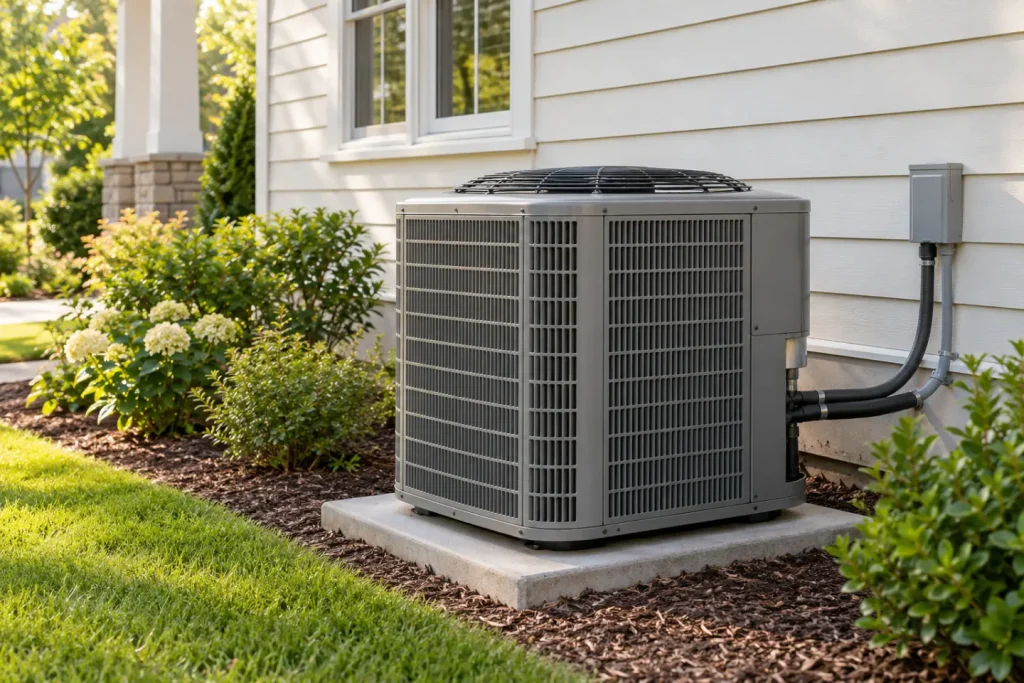
Cooling
Central air conditioning
From an unexpected loss of cooling to a planned system upgrade, start with the service that matches your home’s needs.
AC repair
Warm air, weak airflow, ice or a system that will not start.
AC replacement
Sizing, equipment compatibility and a complete installation quote.
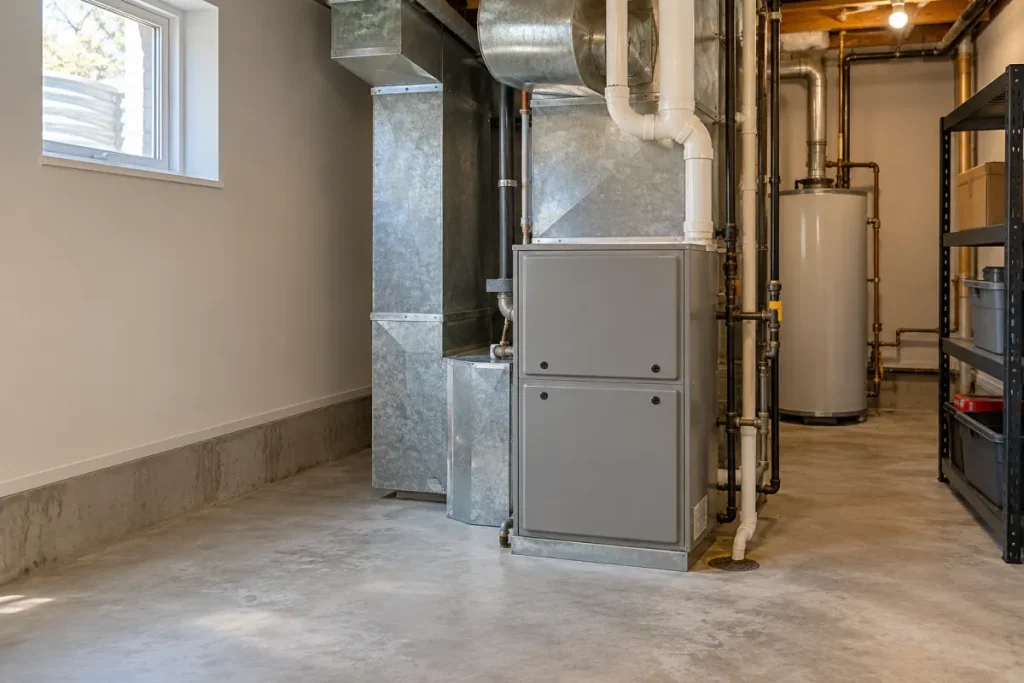
Heating
Furnace service
A no-heat problem and a replacement project need different answers. Understand the next step before agreeing to the work.
Furnace repair
No heat, unexpected shutdowns and changes in normal operation.
Furnace replacement
Fuel type, venting, comfort and what the proposal includes.
AC blowing warm air
Start with cooling diagnosis.
Furnace not heating
Prepare for a no-heat visit.
Weak airflow or ice
Know what to report.
Another repair needed?
Compare your options.
Urgent safety notice
Gas smell or carbon monoxide alarm?
Leave the home immediately. From a safe location outside, call 911; for a suspected gas leak, also notify the gas utility. Do not use a phone or switches inside, investigate the leak or wait for an HVAC appointment.
Repair or replace
Choose the next step with the full picture.
A breakdown, a repeat fault and a planned upgrade are three different conversations. Start with the finding and a complete scope so the options can be compared fairly.
A new fault, an otherwise dependable system
Request a diagnosis and written repair scope. Ask what the repair resolves, what remains uncertain and whether existing warranty coverage applies. Keep the equipment’s age in context with its actual condition.
Another visit for the same problem
Bring previous invoices and explain how soon the symptom returned. Ask what supports the current recommendation and whether the original cause is understood. Keep unresolved comfort concerns in the record.
A replacement you can plan properly
Compare complete installation proposals: sizing, retained components, permits, startup and warranties. Ask how a proposed change addresses the rooms and concerns that prompted the purchase.
Before the visit
Know the next step. Know what to ask.
Whether you need a repair or a replacement estimate, clear expectations make the conversation more useful.
01 / Describe your system and symptoms
Have the address, ZIP code, equipment type and recent symptoms ready. A previous invoice or safely accessible model label helps. If you rent, confirm who is authorized to arrange the work.
02 / Confirm the visit terms
Check service at your exact address, the diagnostic fee, scheduling window and any after-hours charge. Ask who will perform the work and what local credentials the job requires.
03 / Review the findings and options
Request the diagnosis, scope and price before approving work. For replacement, compare model numbers, installation details and warranty terms. Keep a copy of the estimate and final invoice.

Comfort beyond the cabinet
Better comfort starts with understanding your home.
A hot bedroom, a cold addition or a room that feels damp deserves an explanation connected to the house. Describe when it happens, how long it has been a problem and whether the rest of the home performs normally.
Ask whether the visit covers an equipment fault, air distribution or a broader comfort assessment. If replacement is proposed, keep that room complaint in the written scope; a new cabinet or more capacity alone does not explain the intended improvement.
Use the room-comfort worksheet →
Illustrative residential interior.
From the visit to the final invoice
Know what to ask at each stage.
Practical homeowner guides help you understand the next decision without turning symptoms into a remote diagnosis.
Prepare for the first visit →
Gather the equipment record, symptom history and authorized access. Confirm the fee and what the visit includes.
Compare the complete estimate →
Look at included work, retained components, exclusions and conditional charges alongside the selected models.
Keep the completion records →
Collect operating information, permits, model details and warranty responsibilities for the next service conversation.
Local decisions, researched separately
Your address changes more than the service request.
Use an individual city resource to understand utility, project and approval questions. Confirm appointment availability for your exact address and installed equipment.
Longmont, CO →
Winter reliability, LPC territory and Efficiency Works measure checks.
Pueblo, CO →
Cooling equipment distinctions and Pueblo versus Pueblo West approvals.
Georgetown, TX →
Cooling proposals, electric territories and Texas contractor checks.
Prescott, AZ →
Heating needs, replacement categories and thermostat-program distinctions.
Spartanburg, SC →
Two-season comfort, city/county permits and conditional funding.
High Point, NC →
Equipment/customer program distinctions and Archdale-associated addresses.
Stuart, FL →
AC change-out permitting, account checks and FPL participation.
York, PA →
Heating requests, ownership authorization and township boundaries.
Lancaster, PA →
Exterior-review questions and incentive-document dates.
Cocoa, FL →
Cocoa versus Port St John property checks and matched-system planning.
Useful answers
Before you arrange HVAC service
Practical guidance for homeowners comparing their next steps.
What should I do when my AC stops cooling?
Check the thermostat mode and note what the indoor and outdoor equipment is doing, if you can observe it safely. For ice, abnormal operation or a persistent problem, follow the owner’s manual and arrange professional diagnosis. Explore AC repair.
Can a furnace blowing cool air still need repair?
Yes, although the cause depends on the system and its operating cycle. Note when it happens and whether an accessible display shows an error. Avoid repeated resets or opening the furnace. See furnace repair guidance.
Is replacing an older system always the better choice?
Age is one consideration. The diagnosis, condition, repair history, comfort and complete installation cost matter too. Compare the alternatives before committing to a major project.
Will a replacement qualify for a rebate?
Check current program rules with the administrator before purchasing. Your utility account, equipment and installation details can affect eligibility; a listed incentive is not approval for your project.
How do I confirm availability at my home?
Confirm the exact address, equipment, requested work, visit fees and timing with the provider. A nearby city or ZIP does not guarantee an appointment.
Move forward with a clear plan
Find the service that fits your home.
Start with repair guidance for a current problem, or understand what belongs in a replacement estimate. Confirm address coverage, fees and scheduling before arranging a visit.
(877) 803-4250